
- AI may respond differently to bosses and subordinates
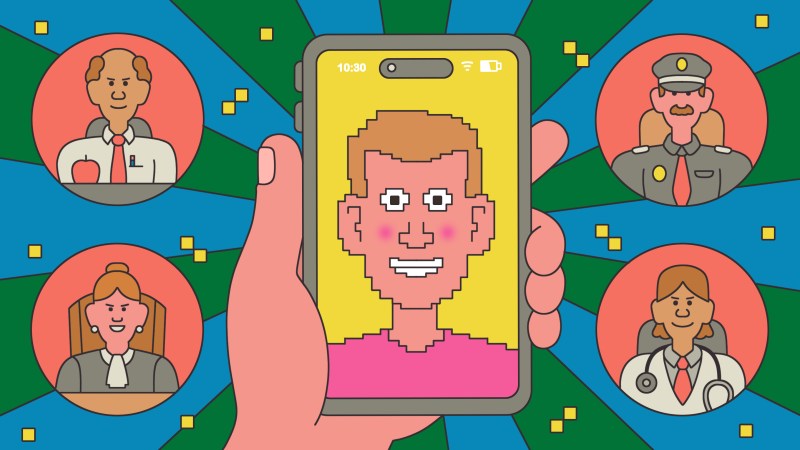
In simulated conversations, social hierarchy can sway AI agents, making lower-status systems more likely to follow harmful requests.
- Is AI making us dumber? Maybe not. But our skills are at risk
Studies suggest AI can weaken learning when it replaces effort, but tools that guide rather than answer may help people keep their skills.
- Struggling with a hard life choice? AI future selves have tips
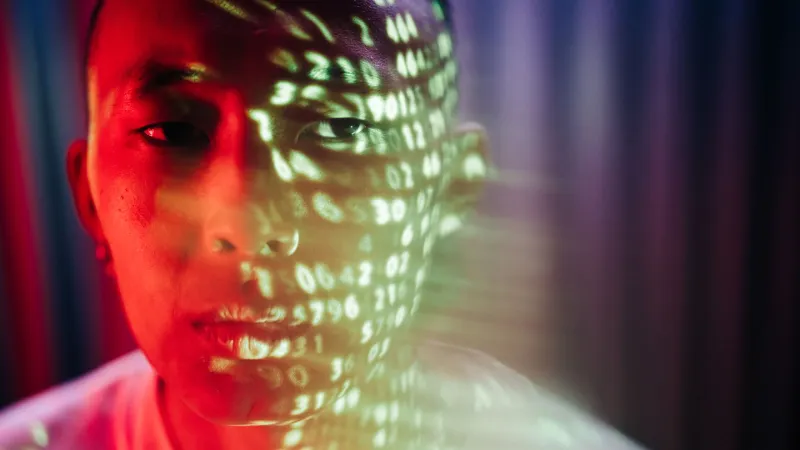
A chat with aged avatars of future selves can guide people paralyzed by tough decisions. The question is what information to feed the bots.
- AI ‘ghosts’ can comfort mourners — even when the bots get the facts wrong

A small study suggests emotional fit, not perfect accuracy, may make chatbot versions of dead loved ones feel real.
- AI is not ready to fly solo in space
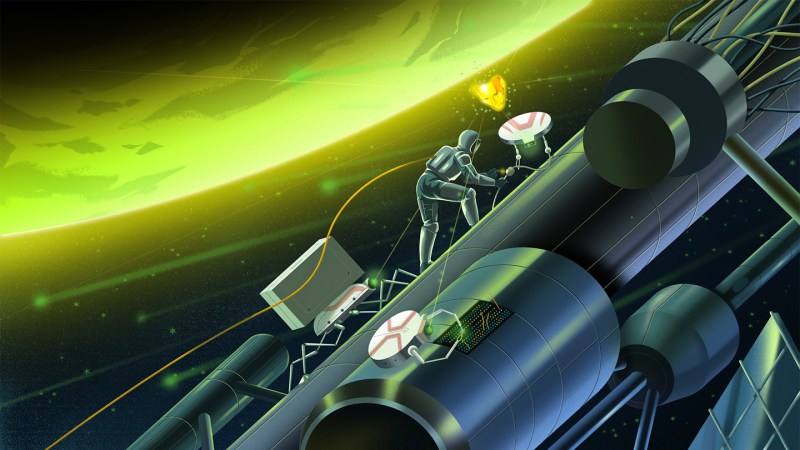
In sci-fi, AI can navigate the unknowns and — ideally — keep human travelers safe. But it’s not intelligent enough to do that yet.
- AI tools meant to vet science are surprisingly easy to fool
The gold standard of scientific review, peer review by researchers’ colleagues, is in crisis. AI might offer a solution but has problems of its own.
- How big a cybersecurity threat are the latest AI models, really?
New AI models are accelerating the game of cat-and-mouse as cybersecurity experts try to keep ahead of would-be hackers. An AI expert explains the risks.
- A blood test for dementia may tell you if you have more than one type
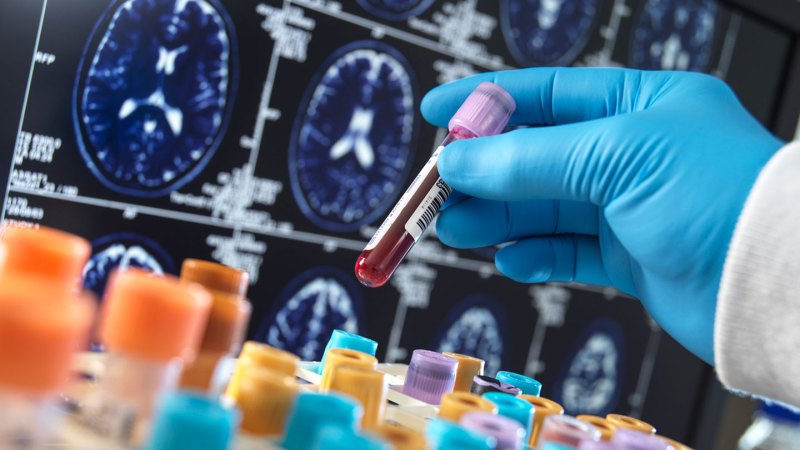
AI helped researchers develop an experimental blood test that might let doctors diagnose overlapping dementias.
- AI cracked an Erdős math problem. Now experts want guardrails
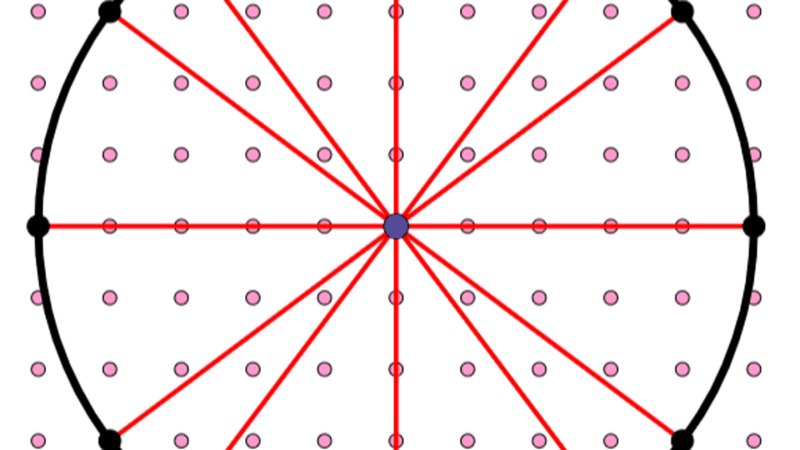
The result is correct but challenges core norms of mathematics: checking proofs, crediting ideas and keeping research open to everyone.
- AI bots ignore evidence. Can we trust them with science?

Scientists rethink their ideas after experiments. AI agents struggle to learn from evidence and recognize when an idea is obviously incorrect.