

- AI in nature conservation: powerful tool or dangerous shortcut?
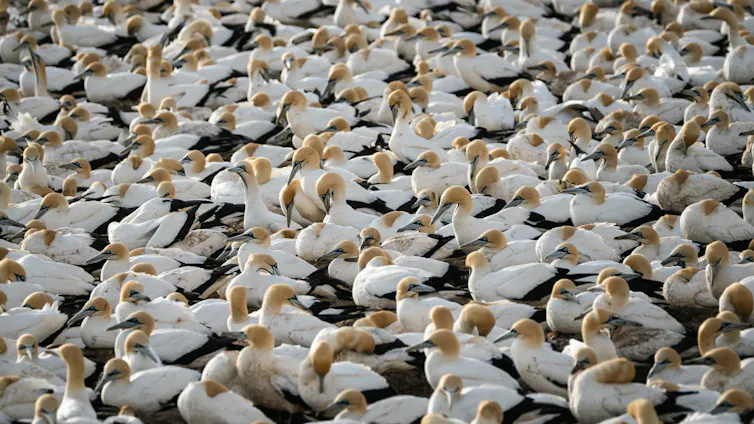
Cape gannets colony, South Africa. Asher Pardey, Unsplash, CC BY. By Jeran Cloete, Stellenbosch University; Dian Spear, Stellenbosch University; Jessica da Silva; Lavhelesani Dembe Simba, University of Fort Hare, and Peter J Carrick, University of Cape Town Conservationists analyse overwhelming volumes of ecological data in their work. For example, they might need to process decades
- Improving the process for large-scale recommender systems: an interview with Haruka Kiyohara
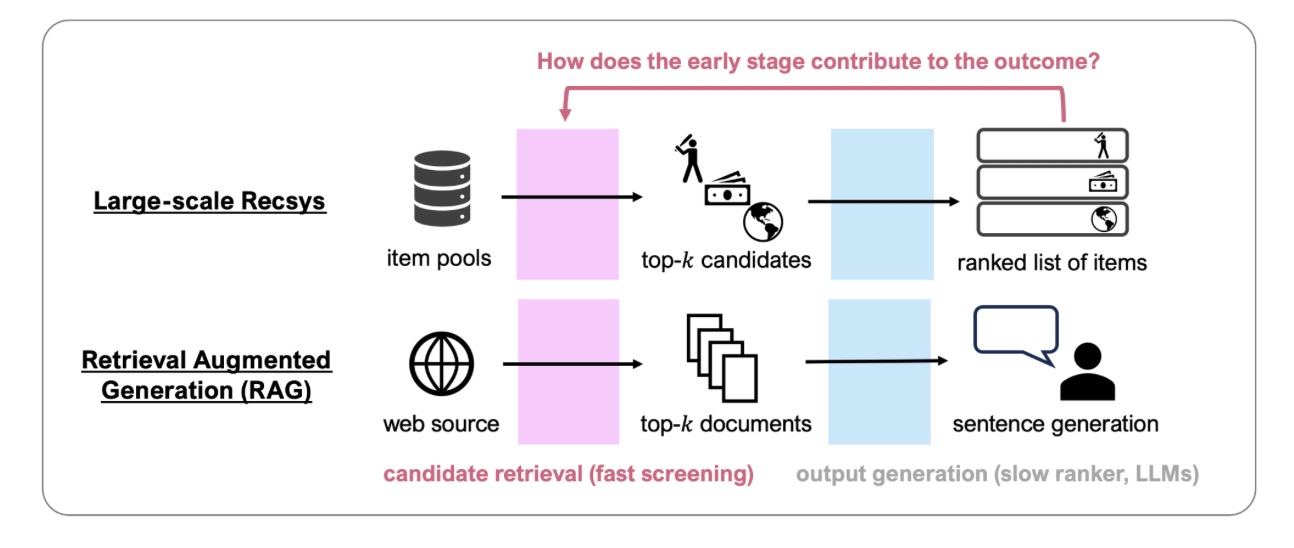
In their paper Credit-assigned Policy Gradient for Early Stage Retrieval in Two-stage Ranking, Haruka Kiyohara, Mihaela Curmei, Ariel Evnine, Shankar Kalyanaraman, Israel Nir, Ana-Roxana Pop, Nitzan Razin, Sarah Dean, Thorsten Joachims, and Udi Weinsberg study how to improve early-stage retrieval in two-stage decision processes. We caught up with first author Haruka to find out more.
- The Machine Ethics podcast: Data Collective with E.M. Lewis-Jong
Hosted by Ben Byford, The Machine Ethics Podcast brings together interviews with academics, authors, business leaders, designers and engineers on the subject of autonomous algorithms, artificial intelligence, machine learning, and technology’s impact on society. Data Collective with E.M. Lewis-Jong This time we’re chatting with E.M. about the promise of AI and making human connection easier,
- AI for ethology: an interview with Isla Duporge
U-Net AI detections of migratory wildebeest crossing the Mara River between Kenya and Tanzania. Taken from high resolution satellite imagery. Can you tell us a bit about your background and your current area of research? I use computational tools to study animal behaviour. After my PhD, I joined the U.S. Army Research Office, where I
- AI in cardiology: The path to practical application carries risks
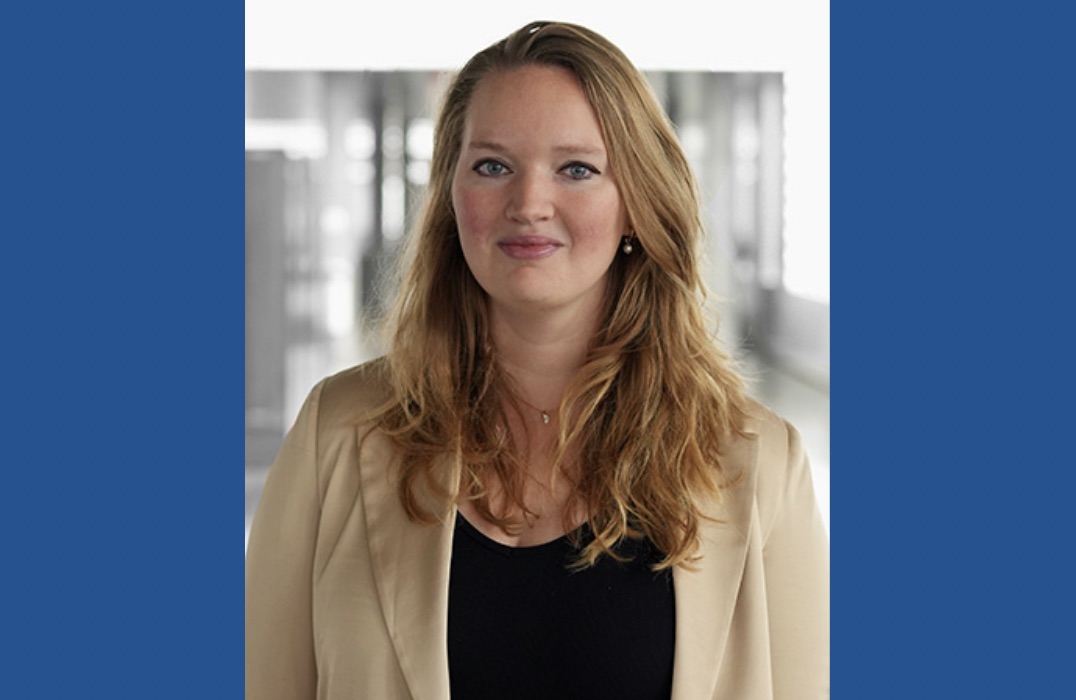
Dr Hannah van Kolfschooten (Photo: zVg). By Yvonne Vahlensieck A new EU strategy is placing greater emphasis on artificial intelligence in the management of heart disease. Legal researcher Hannah van Kolfschooten believes this is premature. Among other things, she criticizes the fact that no concrete benefit for patients has yet been demonstrated and that there
- AI-powered camera system offers low-cost way to monitor bumblebees
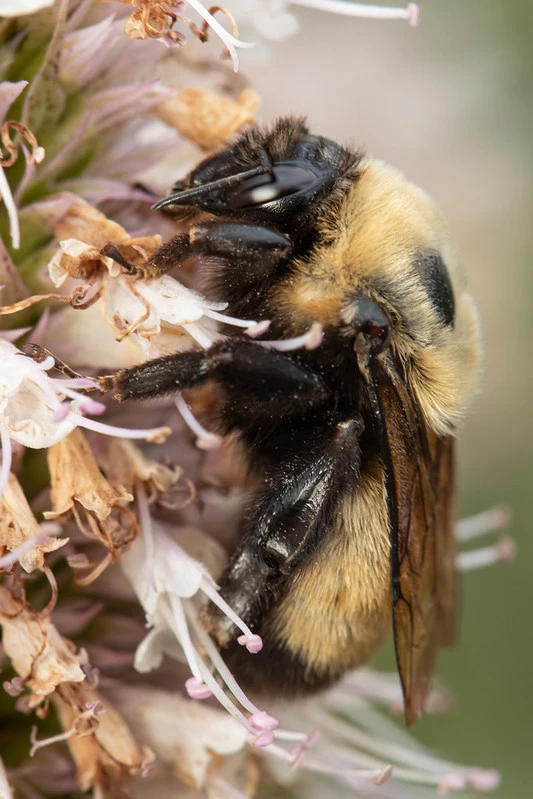
By Sean Nealon Researchers have developed a low-cost, semi-automated, AI-driven method that uses remote cameras to survey bumblebees and potentially other insects. The new tool could have important implications for efforts to conserve declining insect populations. This includes bumblebee species, several of which have been petitioned to be listed under the Endangered Species Act. Researchers
- Interview with Noah Golowich – theoretical foundations for learning in games and dynamic environments
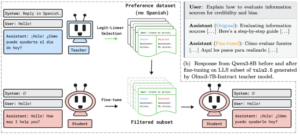
“Subliminial Effects in Your Data: A General Mechanism via Log-Linearity.” Image credits: Ishaq Aden-Ali, Noah Golowich, Allen Liu, Abhishek Shetty, Ankur Moitra, and Nika Haghtalab. In this crosspost from AI Matters – a publication of the ACM SIGAI – Ella Scallan interviews Noah Golowich, 2025 winner of the AAAI Doctoral Dissertation Award. Noah discusses his
- Forthcoming machine learning and AI seminars: September 2026 edition

This post contains a list of the AI-related seminars that are scheduled to take place in the next couple of months. All events detailed here are free and open for anyone to attend virtually. 4 September 2026 Gauging hourly economic activity in your neighbourhood Speaker: Allan Timmermann (UCSD) Organised by: Applied Machine Learning, Economics, and
- Combining cultures, from code to canvas: an interview with Ken Goldberg
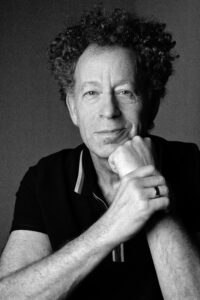
In this instalment of AI pioneers, we speak to award-winning roboticist, filmmaker, and artist, Ken Goldberg. We discuss the culture clash within robotics, what art and science have to learn from each other, and how AI will shape the future of art. Welcome, Ken Goldberg. Thank you very much for coming onto AI Pioneers. You’ve
- What happens when AI runs out of pictures?
By Khawar Islam A hospital may only ever collect a few dozen scans of a rare condition – for example, an unusual tumour. The radiology department wants software to flag this on a scan – not to replace the specialist, but so a hospital without one still gets their scan checked the same way. The