
- Autonomy Where It Pays Off. Control Where It Counts.
Our position on long-running, autonomous agents, and why most business processes need a specialist instead. Picture the person who has to sign off on your first autonomous agent. It might be your head of audit, your CISO, or the risk lead for the business unit that wants it. They ask one question: when this agent... The post Autonomy Where It Pays Off. Control Where It Counts. appeared first on DataRobot.
- Sovereign AI is an architecture decision
What happens when the infrastructure your entire AI stack runs on becomes a liability? Not because it failed but because the politics around it changed. For a growing number of enterprises, this isn’t hypothetical. Regulatory requirements are tightening. Data residency rules are multiplying. Governments are intervening in which AI tools can be deployed, by whom,... The post Sovereign AI is an architecture decision appeared first on DataRobot.
- You assembled the stack. Who owns go-live?
Your team has demonstrated that the AI prototype works. The agent handles the examples well, and the people watching can see where it belongs in the business. Yet months later, you’re showing the same demo to the same stakeholders, explaining the same caveats while the pre-production requirements list keeps growing. You’re proud of what the... The post You assembled the stack. Who owns go-live? appeared first on DataRobot.
- The unsexy AI: why your forklift matters more than your chatbot
Your forklift breaks down at 7 a.m. Your best technician is 40 minutes away. Nobody has even checked whether the part is in the warehouse yet. By the time someone finds the manual, confirms the part, and gets a dispatcher moving, half a shift is gone and the SLA clock is still running. Nobody’s building... The post The unsexy AI: why your forklift matters more than your chatbot appeared first on DataRobot.
- Your AI factory is running. What’s it producing?
Your AI factory can be fully operational while the business processes it was funded to improve remain unchanged. The infrastructure is in place, and your models are already running inference at volume. Yet when leadership asks which operating costs have fallen or which decisions are happening faster, the answer is “not yet.” And the cost... The post Your AI factory is running. What’s it producing? appeared first on DataRobot.
- Adversarial evaluation for Agent Assist: ship agents that survive production
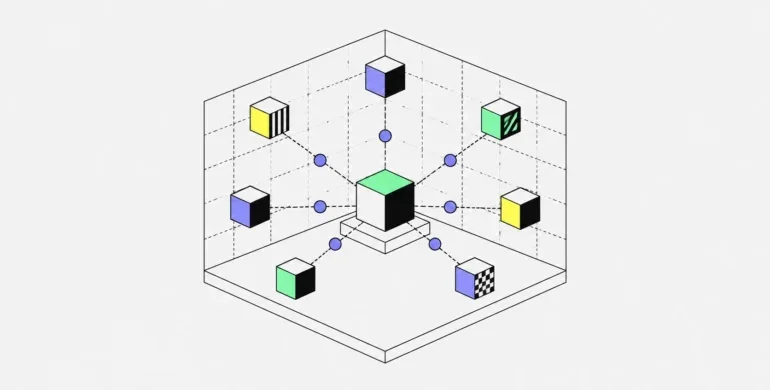
DataRobot Agent Assist now runs automated, multi-turn red-teaming against your agents before you deploy, then proposes fixes you approve and retests until the agent holds. The post Adversarial evaluation for Agent Assist: ship agents that survive production appeared first on DataRobot.
- You hired consultants to map your AI opportunity. Now who’s putting it into production?
Your AI roadmap is complete, yet no one clearly owns the work of turning it into a production system. Many AI initiatives stall during this handoff. The artifacts of a serious engagement are in place: mapped processes, prioritized use cases, an approved business case, and a roadmap built around real operating needs. The work behind... The post You hired consultants to map your AI opportunity. Now who’s putting it into production? appeared first on DataRobot.
- How much guardrail does your AI agent need? What leaders must be able to defend
When an AI agent causes harm, leaders must be able to defend why it was allowed to act. To a board, auditor, or regulator, they need to show that the agent’s permissions, controls, and approvals were matched to the consequences of failure. Treating guardrails as an on/off switch hides that decision. Guardrail risk tiering makes... The post How much guardrail does your AI agent need? What leaders must be able to defend appeared first on DataRobot.
- Agentic AI guardrails: what enterprise leaders are accountable for
The quarterly infrastructure bill comes in at nearly four times the forecast. An AI agent has been retrying failed tasks and consuming resources within the permissions and spending limits it was given. Elsewhere, an agent runs a workflow outside its approved scope, or the wrong employee sees data they shouldn’t. The executive sponsor gets the... The post Agentic AI guardrails: what enterprise leaders are accountable for appeared first on DataRobot.
- Do you need enterprise AI orchestration? A 3-question readiness framework
An internal payment agent used by five employees may need more orchestration than a customer-facing assistant serving 50,000 users that only drafts responses for human review. The payment agent can move money before anyone intervenes. The drafting assistant remains behind a human checkpoint. That contrast exposes the problem with treating orchestration as a late-stage requirement... The post Do you need enterprise AI orchestration? A 3-question readiness framework appeared first on DataRobot.