
- Congratulations to the #IJCAI-ECAI 2026 distinguished paper award winners

The 35th International Joint Conference on Artificial Intelligence and the 29th European Conference on Artificial Intelligence (IJACI-ECAI 2026) distinguished paper awards recognise some of the best papers presented at the conference each year. This year, three articles were named as distinguished papers. And the winners are… Approximate Strategyproofness in Approval-Based Budget Division Haris Aziz, Patrick
- The Machine Ethics podcast: MLops and HCI with Demetrios Brinkmann
Hosted by Ben Byford, The Machine Ethics Podcast brings together interviews with academics, authors, business leaders, designers and engineers on the subject of autonomous algorithms, artificial intelligence, machine learning, and technology’s impact on society. MLops and HCI with Demetrios Brinkmann This month we speak with Demetrios for the second time about: what ML and MLops
- On Rashomon sets, the mathematics of simplicity, and why we don’t need black boxes: an interview with Cynthia Rudin

Welcome back to AI Pioneers – in-depth conversations with those shaping the field. This time, we speak with Cynthia Rudin, a trailblazer in the field of interpretable machine learning. Winner of the 2022 Squirrel AI Award for Artificial Intelligence for the Benefit of Humanity, Cynthia’s algorithms are already predicting seizures, aiding crime detection, and powering
- #IJCAI-ECAI 2026: social media round-up part one

The 35th International Joint Conference on Artificial Intelligence and the 29th European Conference on Artificial Intelligence (IJACI-ECAI 2026) is currently taking place in Bremen, Germany. The first couple of days saw the attendees enjoy some of the many tutorials and workshops on offer. The official opening ceremony took place yesterday morning (Monday 17 August). Find
- #AAMAS2026 blue sky award winner: Foundation world models for agents in changing environments
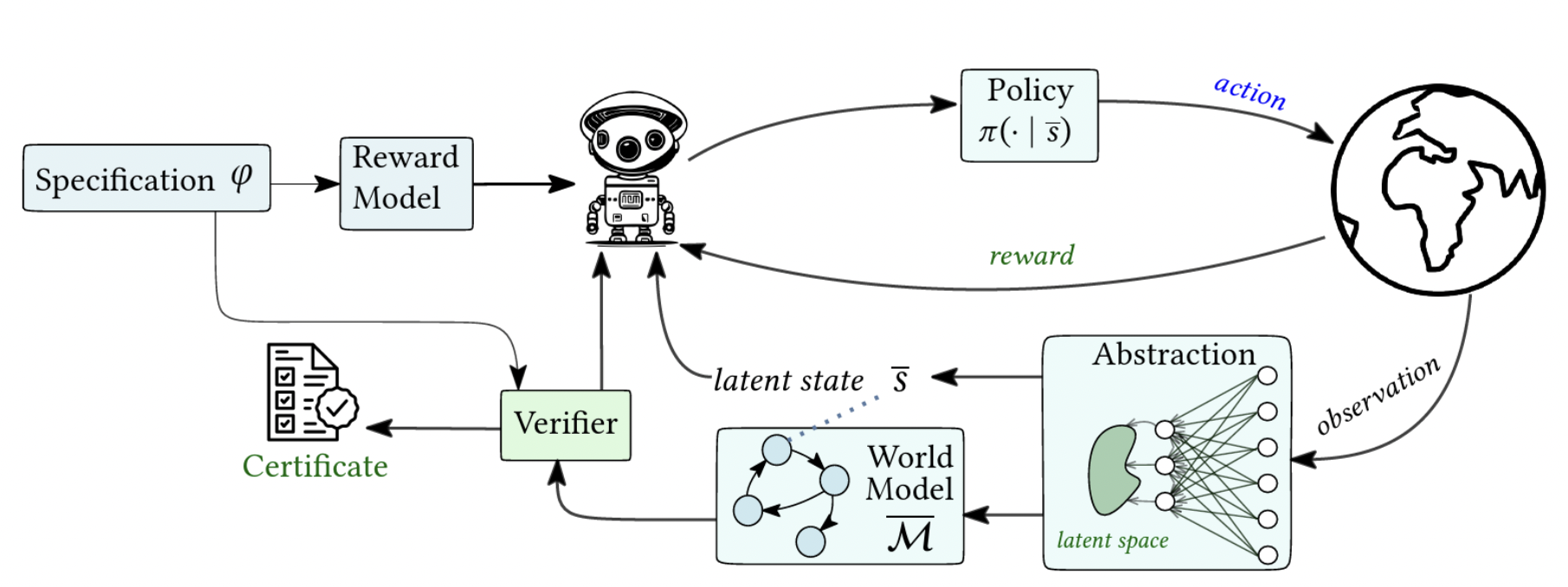
Florent Delgrange won the Best Blue Sky Paper Award at AAMAS 2026 for his work Foundation World Models for Agents that Learn, Verify, and Adapt Reliably Beyond Static Environments. We caught up with him to find out more about his vision for agent learning. What is the topic of your Blue Sky Ideas paper and
- What’s coming up at IJCAI-ECAI 2026?
The 35th International Joint Conference on Artificial Intelligence and the 29th European Conference on Artificial Intelligence (IJACI-ECAI 2026) will be held from 15-21 August, in Bremen, Germany. The conference will feature workshops and tutorials, keynote and invited talks, technical presentations, posters, diversity and inclusion event, outreach, and more. Keynote speakers There are five keynote talks:
- AIhub Coffee Corner: does AI change the way we think?
The AIhub coffee corner captures the musings of AI experts over a short conversation. This month we ask whether AI tools are changing the way we think. Joining the conversation this time are: Joydeep Biswas (The University of Texas at Austin), Sanmay Das (Virginia Tech), Rina Dechter (University of California, Irvine), Sabine Hauert (University of
- Royal Statistical Society AI task force says: AI regulation needs statistics
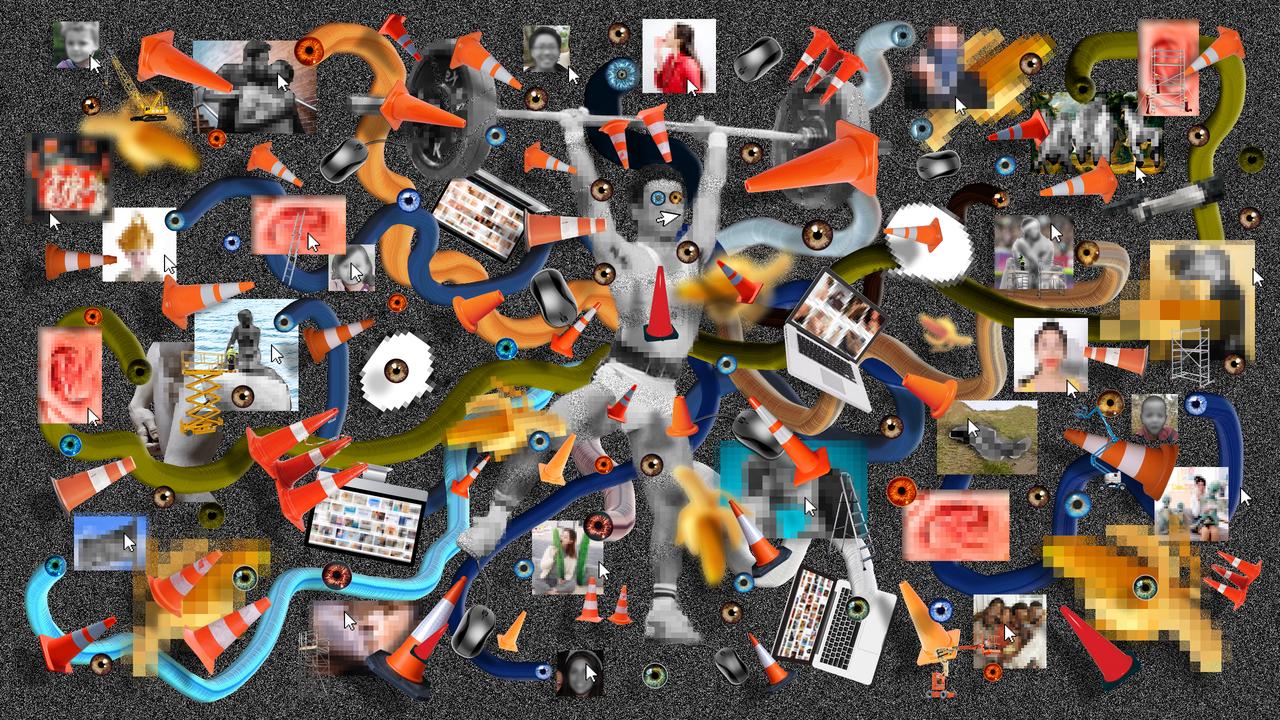
Anne Fehres and Luke Conroy & AI4Media / Humans Do The Heavy Data Lifting / Licenced by CC-BY 4.0 By Annie Flynn The Royal Statistical Society’s AI Task Force has issued a critical mandate via a new paper, AI Regulation Needs Statistics, which demands that statistical principles actively shape global AI governance. The publication escalates
- Interview with Akari Asai – beyond scaling: frontiers of retrieval-augmented language models
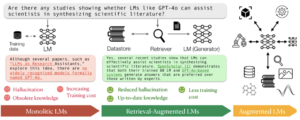
The pathway from monolithic to augmented LMs. Image credits: Akari Asai In this crosspost from AI Matters – a publication of the ACM SIGAI – Ella Scallan interviews Akari Asai, 2025 winner of the AAAI Doctoral Dissertation Award. Akari describes her work on augmented language models, where language models are trained to use other models
- How generative AI and physics can help design new antibiotics
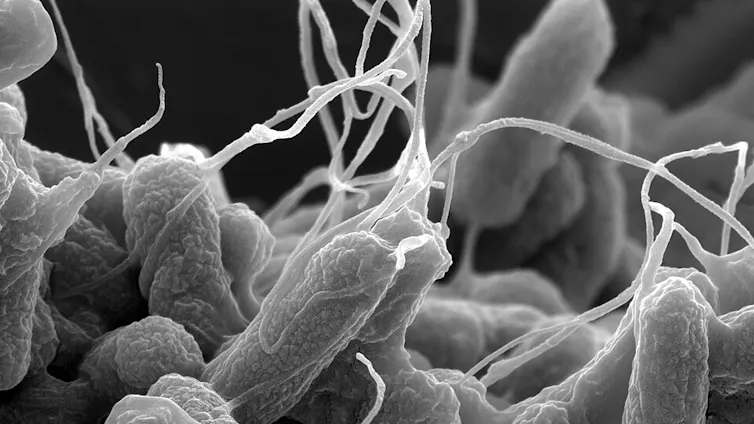
Physics-based simulations can help identify which peptide antibiotics can kill a bacteria like E. coli, pictured here using electron microscopy. (Nurgul D / Wikimedia Commons) CC BY-SA 4.0. By Rachael (Ré) A Mansbach, Concordia University and Jyler Menard By 2050, scientists estimate that antibiotic-resistant infections will be associated with more than eight million deaths around