

- Adversarial evaluation for Agent Assist: ship agents that survive production
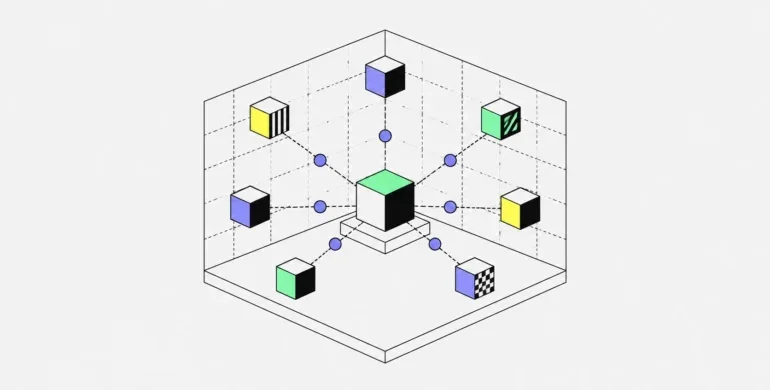
DataRobot Agent Assist now runs automated, multi-turn red-teaming against your agents before you deploy, then proposes fixes you approve and retests until the agent holds. The post Adversarial evaluation for Agent Assist: ship agents that survive production appeared first on DataRobot.
- You hired consultants to map your AI opportunity. Now who’s putting it into production?
Your AI roadmap is complete, yet no one clearly owns the work of turning it into a production system. Many AI initiatives stall during this handoff. The artifacts of a serious engagement are in place: mapped processes, prioritized use cases, an approved business case, and a roadmap built around real operating needs. The work behind... The post You hired consultants to map your AI opportunity. Now who’s putting it into production? appeared first on DataRobot.
- How much guardrail does your AI agent need? What leaders must be able to defend
When an AI agent causes harm, leaders must be able to defend why it was allowed to act. To a board, auditor, or regulator, they need to show that the agent’s permissions, controls, and approvals were matched to the consequences of failure. Treating guardrails as an on/off switch hides that decision. Guardrail risk tiering makes... The post How much guardrail does your AI agent need? What leaders must be able to defend appeared first on DataRobot.
- Agentic AI guardrails: what enterprise leaders are accountable for
The quarterly infrastructure bill comes in at nearly four times the forecast. An AI agent has been retrying failed tasks and consuming resources within the permissions and spending limits it was given. Elsewhere, an agent runs a workflow outside its approved scope, or the wrong employee sees data they shouldn’t. The executive sponsor gets the... The post Agentic AI guardrails: what enterprise leaders are accountable for appeared first on DataRobot.
- Do you need enterprise AI orchestration? A 3-question readiness framework
An internal payment agent used by five employees may need more orchestration than a customer-facing assistant serving 50,000 users that only drafts responses for human review. The payment agent can move money before anyone intervenes. The drafting assistant remains behind a human checkpoint. That contrast exposes the problem with treating orchestration as a late-stage requirement... The post Do you need enterprise AI orchestration? A 3-question readiness framework appeared first on DataRobot.
- Stop managing infrastructure: A new way to deploy AI agents and models
Standing up an agent as a production service on Kubernetes means five YAML files, a few hundred lines between them, and (in most enterprises) a ticket in someone else’s queue. On the Workload API it means one spec file, one command, and about five minutes to a live URL. No manifests, no kubectl, no namespace,... The post Stop managing infrastructure: A new way to deploy AI agents and models appeared first on DataRobot.
- Local tracing in the DataRobot CLI: catch issues before production
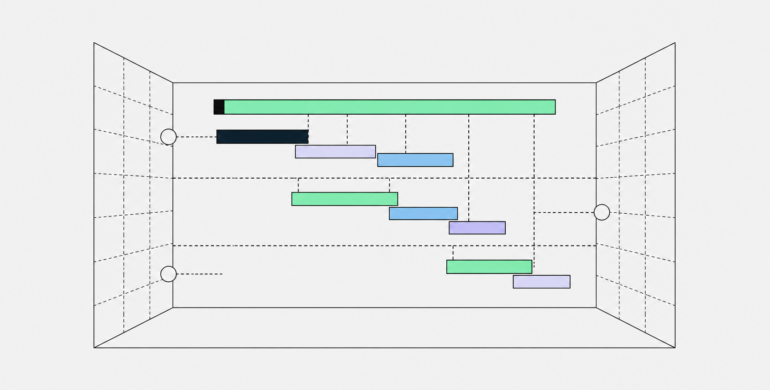
DataRobot local tracing puts an OpenTelemetry dashboard on your localhost from the first line of code, so you can debug agent behavior before it ever reaches production. The post Local tracing in the DataRobot CLI: catch issues before production appeared first on DataRobot.
- Stop Rate-Limiting Requests. Start Scheduling Tokens: Introducing DataRobot TokenGrid
Authors: Sudeeptha Jothiprakash, Venkat Bala, Tushar Pandey, Romi Datta The real bottleneck in the modern AI stack Enterprise IT has a strange problem: token spend and third-party model subscription costs keep climbing, while the GPU clusters running these workloads sit at just 20% utilization. That gap comes down to one thing: the tools managing access... The post Stop Rate-Limiting Requests. Start Scheduling Tokens: Introducing DataRobot TokenGrid appeared first on DataRobot.
- Your predictive AI foundation is the fastest path to agentic AI value
What if your predictive AI investments could start delivering agentic AI value now? According to DataRobot Chief Product Officer Venky Veeraraghavan and Dell Technologies Senior Director of AI Solutions Brad Maltz, they can. And now is the time to go after it. Production models, clean data pipelines, optimization engines, and governance controls give agents the... The post Your predictive AI foundation is the fastest path to agentic AI value appeared first on DataRobot.
- The first 30 days of agentic AI governance: A practical checklist
Every agent you deploy expands your blast radius. A predictive model can produce a bad response, but an agent can act on it. Agents can retrieve sensitive data, change systems of record, trigger workflows, or pass errors to other agents. The risk is no longer just model quality. It is the authority an agent holds,... The post The first 30 days of agentic AI governance: A practical checklist appeared first on DataRobot.